 how-to
Streamlining Rental Property Tax Preparation: A 2026 Guide
Table of Contents
- Why Rental Property Tax Preparation Demands a System
- Rental Income Reporting Requirements and Tax Liability
- Building a Rental Property Tax Deductions Checklist
- How to Organize Rental Property Expenses for Tax Efficiency
- Property Management Accounting Software Integration
- Recordkeeping Best Practices and Audit Trail Documentation
- Tax Planning Strategies for Multi-Property Portfolios
- Self-Audit Checklist: What to Verify Before Filing
- Frequently Asked Questions
Last Updated: September 26, 2026
Why Rental Property Tax Preparation Demands a System
Most landlords scramble at tax time, handing scattered receipts to an accountant and hoping nothing was missed. This costs money and creates risk: scattered records mean missed deductions and no proof if the IRS asks questions. Rental property tax preparation requires organization from day one, not panic in March. At Buffalo.Accountants, we've worked with property owners who discovered that a simple system saves time and reduces stress.
This guide covers the exact steps to simplify rental property tax preparation: organize expenses, track deductions, and prepare audit-ready records so your books can withstand scrutiny.
Rental Income Reporting Requirements and Tax Liability
Rental income includes rent, late fees, forfeited deposits, lease cancellations, utility reimbursements, and parking fees. Report all of this on Schedule E (Form 1040). The key: report gross income first, then subtract deductions. Many landlords underreport income by reducing it before filing, which triggers audits.
Building a Rental Property Tax Deductions Checklist
Most landlord expenses are deductible if documented properly. Use this rental property tax deductions checklist during the year to confirm eligibility:
- Mortgage interest (not principal)
- Property taxes
- Insurance premiums (landlord coverage only)
- Repairs and maintenance
- Utilities you pay for tenants
- Property management fees
- Advertising for tenants
- Legal and accounting fees
- Office supplies and software
- Cleaning and trash removal
- HOA fees
- Pest control
- Snow removal or landscaping
- Tenant screening costs
The IRS distinguishes between repairs (deductible immediately) and improvements (depreciated over time). This distinction costs landlords thousands when misclassified.
Mortgage Interest, Property Taxes, and Insurance Premiums
Mortgage interest is fully deductible (principal is not). Use your Form 1098 from your lender; don't estimate. Property taxes include county assessments, city taxes, and special district taxes on the property. Insurance premiums for landlord coverage (liability, fire, theft, loss-of-rent) are deductible; personal homeowner insurance is not.
Repairs vs. Capital Improvements: The Tax Line That Matters
This distinction determines whether you deduct an expense immediately or depreciate it over years. Get it wrong, and you lose thousands in deductions.
A repair restores a property to its original condition and is deducted immediately (e.g., fixing a leaky roof, patching drywall). A capital improvement adds value or extends useful life and is depreciated over time (e.g., new roof, new HVAC, kitchen renovation). When in doubt: restoration = repair; improvement = depreciation.
How to Organize Rental Property Expenses for Tax Efficiency
Most landlords collect receipts but never sort them, handing a shoebox to an accountant at tax time. You need a system that captures expenses as they happen, not one you build in March.
The Automated Document Collection Workflow
The most effective landlords use a three-step workflow that eliminates end-of-year scrambling:
Step 1: Capture at the Point of Transaction
Photograph receipts immediately using a scanning app, which extracts vendor, amount, and date automatically. For recurring expenses, set up automatic bill pay to create a digital trail without manual entry.
Step 2: Route to Category Folders
Set up folders in Google Drive, Dropbox, or OneDrive mirroring Schedule E categories (Advertising, Insurance, Repairs, Utilities, etc.). File each scanned receipt the same day. For multiple properties, add subfolders by property to prevent mixing expenses.
Step 3: Monthly Reconciliation and Categorization
Once monthly, review bank and credit card statements and match transactions to scanned receipts. Enter each expense into accounting software with date, vendor, amount, category, and property. This catches duplicate charges and vendor errors early. Bank Reconciliations ensure your accounting records match your actual deposits and withdrawals, preventing discrepancies that can trigger audit flags.
Why This Workflow Prevents Audit Risk
When the IRS requests documentation, you need the receipt, bank transaction, and business purpose. This workflow links all three. Landlords who collect receipts but never organize them can't find proof when asked, and the IRS disallows the deduction.
Integrating Property Management Software
If you use property management software (AppFolio, Yardi, MRI), pull income and expenses monthly and compare to bank deposits. Reconcile these two sources monthly; discrepancies flag missing income or double-counted expenses.
Property Management Accounting Software Integration
Property management software like Yardi, AppFolio, and MRI already tracks income and some expenses. The question is whether your accounting system talks to your tax preparation system.
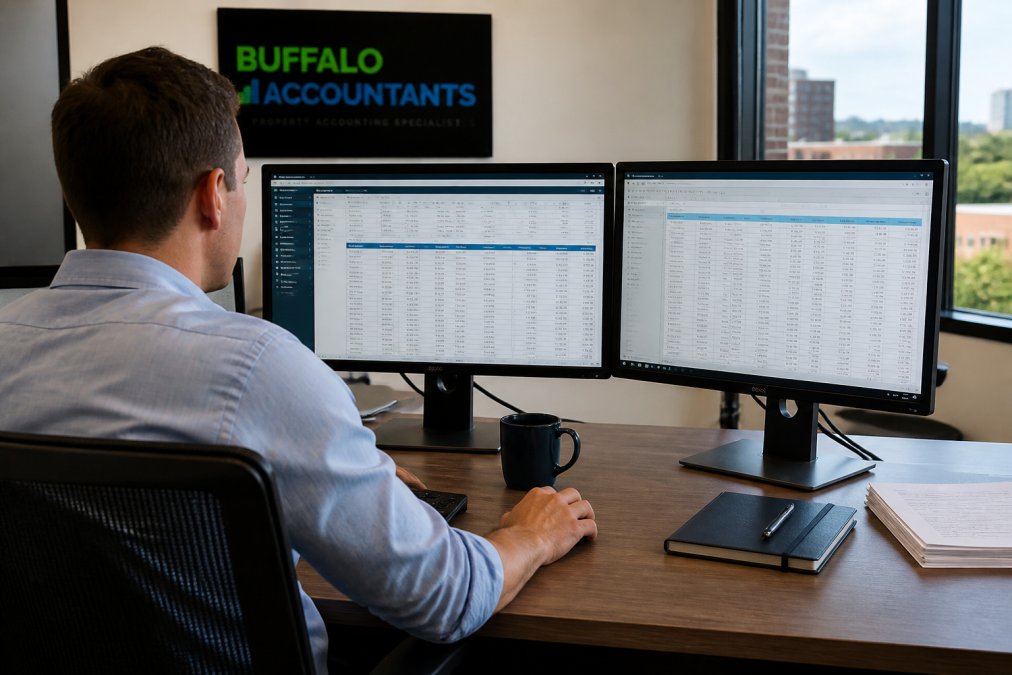
Manual data entry between systems creates errors. It also wastes time. The best approach integrates your property management platform with your accounting records.
Recordkeeping Best Practices and Audit Trail Documentation
Keep records for at least three years: bank statements, receipts, invoices, canceled checks, lease agreements, mortgage statements, property tax bills, insurance policies, mileage logs, and photos of repairs. Organize by category and date with digital backups. The audit trail matters as much as receipts, the IRS wants to trace money from your account to the contractor.
Tax Planning Strategies for Multi-Property Portfolios
Landlords with multiple properties face additional complexity. The type of rental matters enormously for tax planning.
Short-Term vs. Long-Term Rental Tax Treatment
The IRS treats short-term rentals (STRs) and long-term rentals differently. This distinction affects how you report income, which deductions you can claim, and your overall tax liability.
Structuring a Mixed Portfolio
If you own both STRs and long-term rentals, keep them separate: different bank accounts, expense categories, and tax schedules. Some landlords use separate LLCs to isolate liability, but this adds complexity and cost. Consult a tax professional before structuring.
Cost Segregation for Larger Properties
Cost segregation breaks down property improvements into components with different depreciation schedules. A building might depreciate over 27.5 years, but some components (appliances, flooring, fixtures) depreciate over 5-15 years. This accelerates deductions in early years.
1031 Exchanges for Portfolio Growth
A 1031 exchange lets you defer capital gains taxes by reinvesting sale proceeds into another property. This is powerful for portfolio growth but requires strict timing and documentation.
Entity Structuring for Tax Efficiency
Some landlords use separate LLCs for each property or group of properties. This isolates liability and can create tax advantages. It also complicates your accounting and increases filing fees.
Before creating multiple entities, understand the trade-offs:
- Each LLC requires a separate tax return (additional CPA fees).
- Each LLC needs its own bank account and bookkeeping.
- Liability isolation is valuable if a tenant sues, but it doesn't protect against negligence claims.
- Tax benefits are minimal unless you're using cost segregation or bonus depreciation on high-value properties.
Self-Audit Checklist: What to Verify Before Filing
Before you file your tax return, audit your own records. This catches errors before the IRS does.
Use this checklist:
- All rental income is reported (rent, fees, deposits forfeited)
- Income matches bank deposits and property management records
- All deductible expenses are categorized correctly
- Mortgage interest is separated from principal
- Property taxes include all levies on the property
- Insurance premiums are landlord coverage only
- Repairs and improvements are classified correctly
- Large expenses have supporting invoices and bank records
- Mileage logs are complete for property-related travel
- All receipts are dated and categorized
- Depreciation calculations are accurate
- Schedule E matches your supporting documentation
- Prior year depreciation is carried forward correctly
- No expenses are claimed twice across multiple properties
Frequently Asked Questions
What are the most common rental property tax deductions I might be missing?
Beyond mortgage interest and property taxes, landlords often overlook management fees, utility costs, maintenance and repairs, insurance premiums, advertising for tenants, and professional services like accounting and legal advice. Depreciation is also a significant deduction many property owners underutilize. The key is maintaining detailed records and expense categorization throughout the year rather than scrambling to reconstruct them at tax time. A structured recordkeeping system ensures you capture every eligible deduction.
How does property management accounting software integration streamline tax preparation?
Integrated accounting software automatically pulls income and expense data from your property management platform, eliminating manual data entry and reducing errors. This creates an audit trail and ensures all transactions are categorized correctly for tax reporting. Software that syncs with platforms like Yardi or AppFolio allows you to generate tax-ready financial statements and Schedule E information directly, cutting weeks off your preparation timeline and reducing compliance risk.
What's the difference between repairs and capital improvements for tax purposes?
Repairs maintain your property's existing condition and are fully deductible in the year incurred. Capital improvements add value or extend the property's useful life and must be depreciated over time. A new roof is a capital improvement; patching roof leaks is a repair. This distinction significantly impacts your tax liability. Proper expense categorization prevents audit issues and ensures you're not leaving deductions on the table or claiming improper write-offs.
How should I organize rental property expenses to stay audit-ready?
Organize expenses by category: mortgage interest, property taxes, insurance, repairs, maintenance, utilities, management fees, and professional services. Use consistent account codes in your accounting software and maintain supporting documentation for every transaction: receipts, invoices, bank statements, and contractor agreements. This expense categorization system creates a clear audit trail and makes tax filing straightforward. Cloud-based recordkeeping ensures all documents are accessible and secure when needed for compliance or audit purposes.